Two Countries on the Tiny Island of St. Maarten - St-Martin
The Two Sides of St-Maarten — Dutch and French
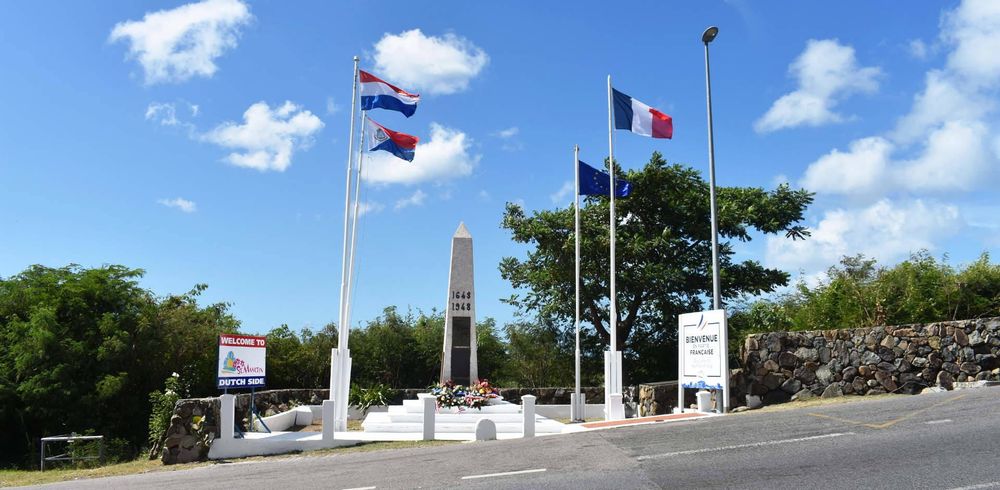
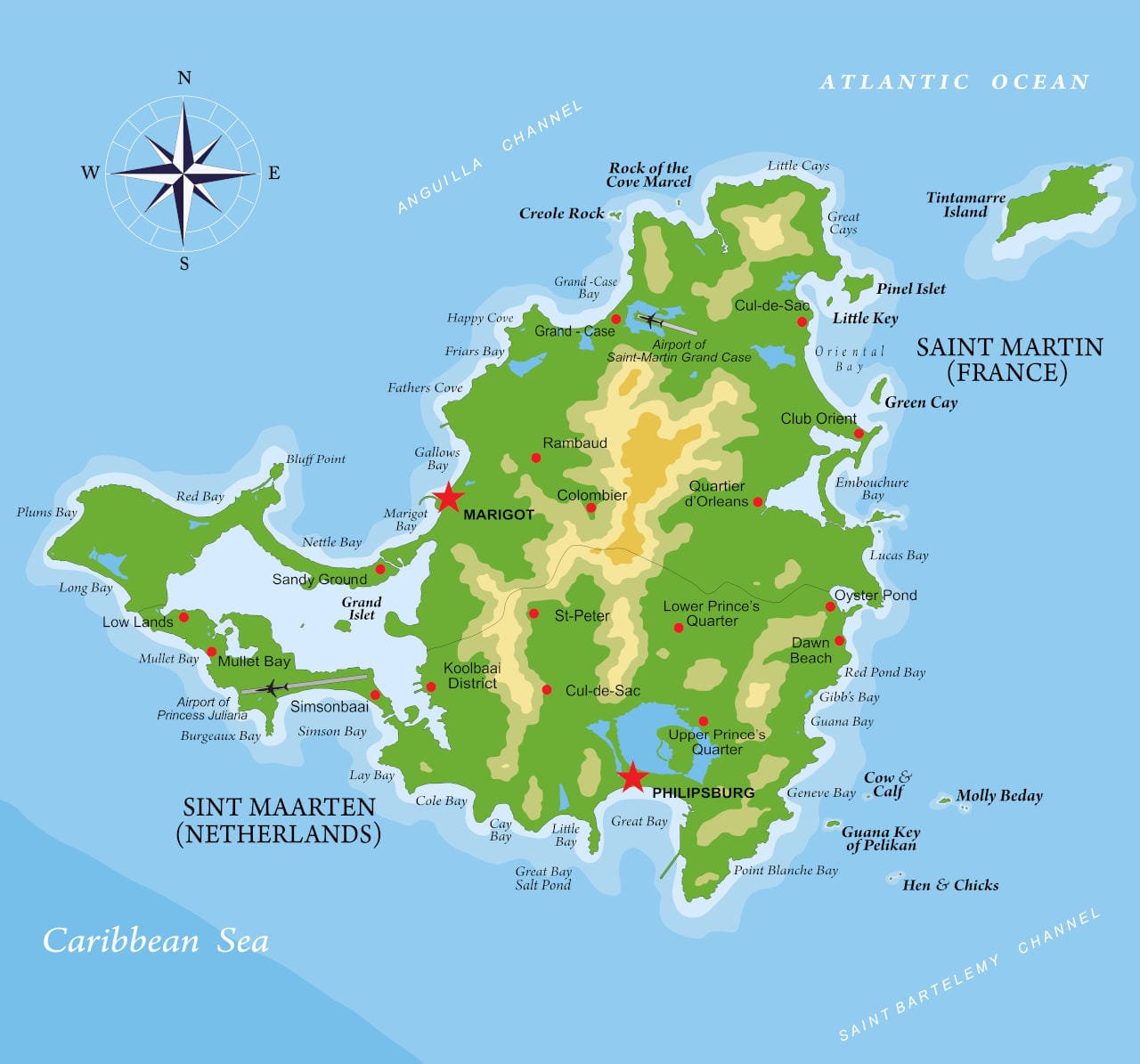
The island of Sint Maarten — Saint Martin is one of the more unusual places in the world: two sovereign territories sharing 96 km² (37 sq mi), governed from The Hague and Paris respectively, with an open border between them and no passport control. Visitors cross from one side to the other without noticing, except that the road signs change language and the speed limit switches from km/h on the French side to miles per hour on the Dutch side — an anomaly on an island that officially uses the metric system.
Sint Maarten — The Dutch Side
Sint Maarten became an autonomous country within the Kingdom of the Netherlands on October 10, 2010 — a date the island still marks as its national day. The Dutch side occupies roughly one third of the island's landmass but generates the larger share of its tourist traffic, anchored by Princess Juliana International Airport and the cruise port at Philipsburg.
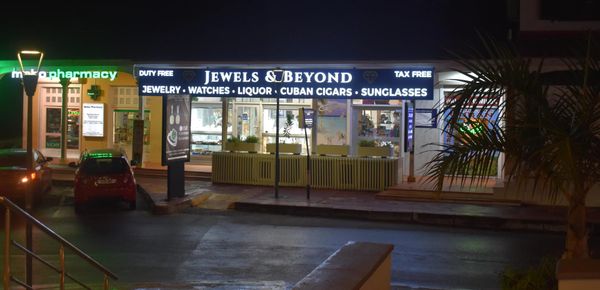
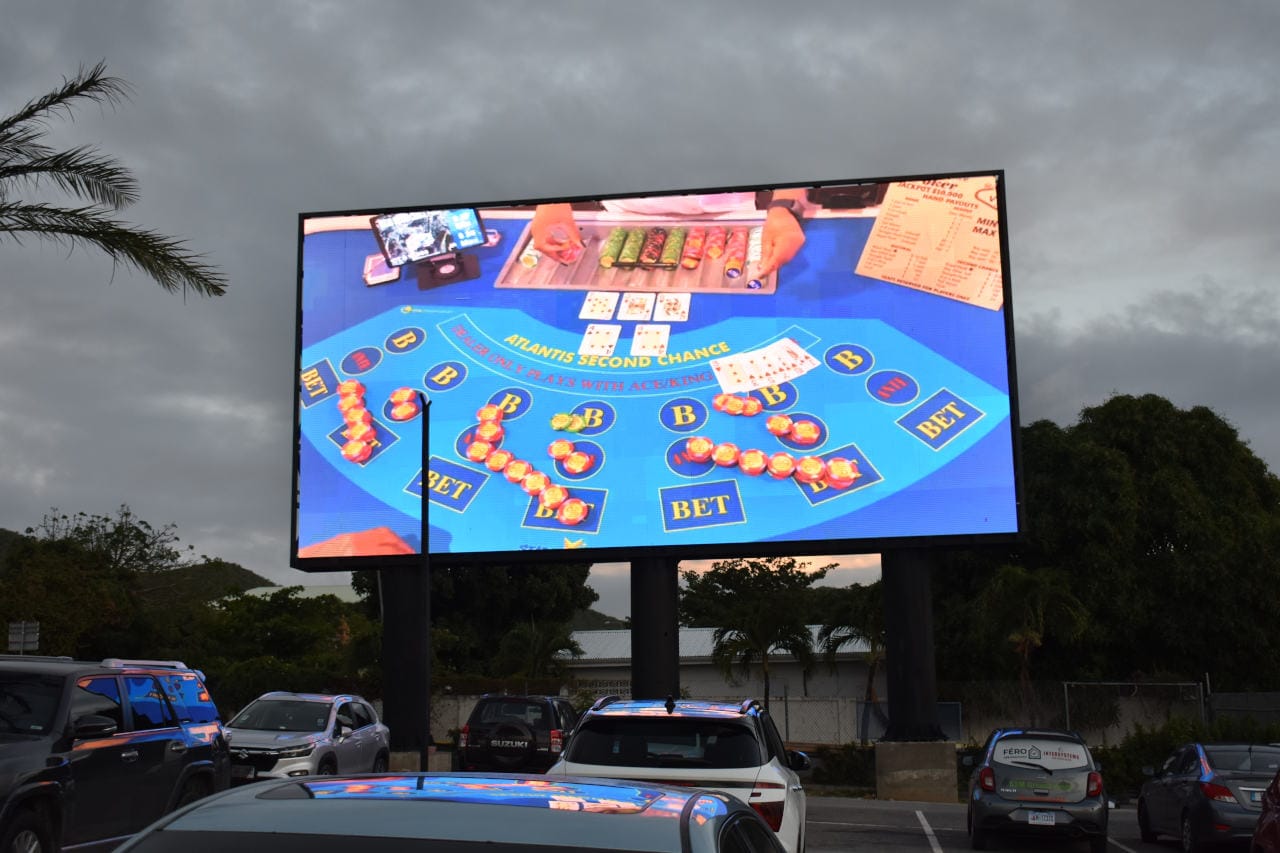
The Dutch side is deliberately business-oriented. Its economy is among the most open in the Caribbean — low taxes, tolerant immigration policy, and a pragmatic attitude toward tourism in all its forms. The result is a landscape that can feel Americanized in places: fast food, chain car rental companies, casino strips. But it is also home to Maho Beach, the most famous beach in the Caribbean; Philipsburg's Front Street, the duty-free shopping capital of the Lesser Antilles; and a nightlife scene that runs later and louder than anywhere else in the region.
A practical note for American visitors: despite the cultural familiarity, speed limits on Sint Maarten are posted in km/h, and virtually all rental cars on the island are imported with European specifications — the speedometer shows kilometers, not miles. This catches some visitors off guard. The limit on most main roads is 50 km/h; in residential areas 30 km/h. Treat whatever number you see on a sign as kilometers.
Saint Martin — The French Side
The French side is neither colony nor independent state — it is simply France, a collectivity of the French Republic with the same legal framework, the same currency, and the same European Union membership as mainland France. Residents carry French passports and vote in French elections. Marigot, the capital, is a proper French Caribbean town that never became a cruise port and still feels like an authentic small French-Caribbean town.
The French side holds some of the island's most distinctive assets: Pic Paradis at 424 meters, the island's highest point, with Loterie Farm on its slopes — the last remnant of the original rainforest; Orient Beach, the flagship beach; Grand Case, a village of fewer than 5,000 people with a concentration of serious restaurants that has no equivalent anywhere in the Caribbean; and a coastline that includes several of the quietest and least-developed beaches on the island.
Two Sides, One Island
The two sides complement each other in ways that are genuinely unusual. Dutch commercial energy and French culinary culture exist within a 20-minute drive of each other. A visitor can spend the morning on a beach in Saint Martin, cross to Philipsburg for duty-free shopping, and end the evening at a casino in Maho — without once leaving the island.
English is the working language on both sides. French is widely spoken on the French side, and Papiamentu survives in pockets on the Dutch side, but a visitor who speaks only English will not struggle anywhere on the island.
The Regions
The island divides naturally into distinct areas, each with its own character. The Dutch side is anchored by Philipsburg, Maho, and Simpson Bay. The French side by Marigot, Grand Case, and Orient Bay. Between them are quieter neighborhoods, hidden beaches, and communities that most visitors never find.