
Standard of Living on Sint Maarten
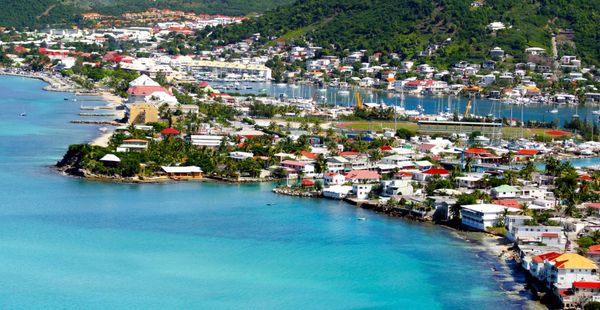
Sint Maarten is not a poor island. It is worth saying that plainly, because the visual evidence is mixed and first impressions can mislead.
Some neighborhoods are rough. Construction is unfinished, drainage is improvised, and the density of population in working-class areas reflects the economics of a small island that grew very fast. None of that changes the underlying reality: Sint Maarten has one of the highest standards of living in the Caribbean, a functioning economy with genuine opportunity, and a quality of daily life that compares favorably with much of Western Europe and North America — once you know where to look.
Why the Island Looks the Way It Does
The economic success of Sint Maarten made it a magnet for workers from across the Caribbean. Anguilla, Dominica, Haiti, Jamaica, Guyana, the Dominican Republic — people came for jobs and found them. Most intended to stay a year or two. Many are still here twenty years later.
A temporary resident living on a construction worker's salary, sharing accommodation and sending money home, does not invest in the appearance of his neighborhood. Multiply that by tens of thousands of people over several decades and you get the visual patchwork that surprises some visitors. It is not poverty. It is transience — a different thing entirely.
The majority of Sint Maarten's residents are expatriates from other Caribbean islands. The island's native population — Sint Maarteners whose families have been here for generations — is a minority on their own island. That demographic reality shapes the culture, the politics, and the physical landscape in ways that take time to understand.
What the Economy Actually Looks Like
Both sides of the island have minimum wage legislation, mandatory health insurance, labor protections, and social services. The Dutch side operates under Kingdom of the Netherlands standards. The French side applies French labor law. Neither is a regulatory vacuum.
For entrepreneurs and small business owners, the duty-free environment and the absence of import bureaucracy create conditions that are difficult to replicate elsewhere. The island is a functioning market economy with direct air connections to North America and Europe and a customer base that includes some of the wealthiest yacht owners and resort guests in the world.
Daily Life and Supplies
Because Sint Maarten has no customs duty, the stores are stocked at a level that consistently surprises visitors expecting a small Caribbean island. American brands on the Dutch side, European products on the French side, warehouse quantities at Cost-U-Less, and a duty-free luxury goods market that draws shoppers from across the northeastern Caribbean. If you need something, you will almost certainly find it — and at prices that often undercut what you would pay at home.
The Honest Picture
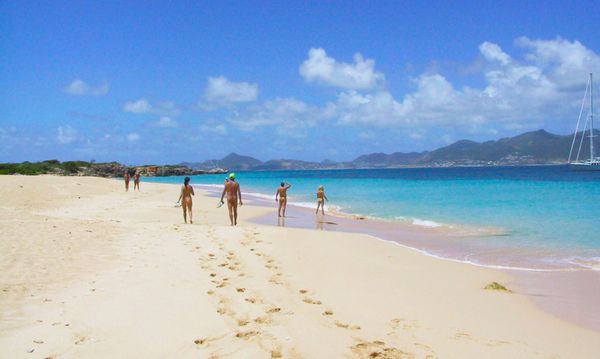
Sint Maarten rewards people who approach it with clear eyes. The beaches are genuinely among the best in the Caribbean. The food and restaurant scene — particularly on the French side — punches far above the island's size. The infrastructure is functional if not always beautiful. The traffic is real. The politics are complicated. The hurricane risk is a fact of life that anyone considering long-term residence needs to take seriously.
What the island offers, at its best, is a life of genuine quality in a genuinely beautiful place, with access to goods and services that would be unavailable on most islands of comparable size, at a cost of living that makes sense for people who plan carefully.
That is not nothing. For many of the people who came for a year and stayed for twenty, it has been everything.