Languages Spoken on St. Maarten — The Most Multilingual Island in the Caribbean
Sint Maarten and Saint Martin may be the most linguistically diverse patch of land in the entire Caribbean. Thirty-seven square miles, two nations, and somewhere between eighty and one hundred nationalities living side by side. The result is a fascinating daily soundtrack of languages, accents and dialects unlike anywhere else in the region.
English Rules
English is the dominant language of public life on both sides of the island — including politics, commerce and tourism. This makes Sint Maarten and Saint Martin exceptionally easy to navigate for visitors from North America, the UK and anywhere else English is spoken.
Saint Martin is arguably the only French territory in the world where French citizens routinely use English as their primary language. French has been making a quiet comeback in recent years as European immigration to the island has grown, but English remains firmly on top.
Every resident even remotely connected to the tourism industry will be able to assist you in English. Some basic French is useful for smaller shops and restaurants deep on the French side, but it is never strictly necessary.
The Official Languages
Dutch is the official language of Sint Maarten — used in legal documents, government administration and the court system. In practice, most Dutch side residents conduct their daily lives entirely in English.
French is the official language of the Collectivité de Saint-Martin, with the same gap between official status and everyday use.
The Languages You Will Hear
Walk through Philipsburg or Marigot and you will encounter an extraordinary range of languages in the space of a few blocks.
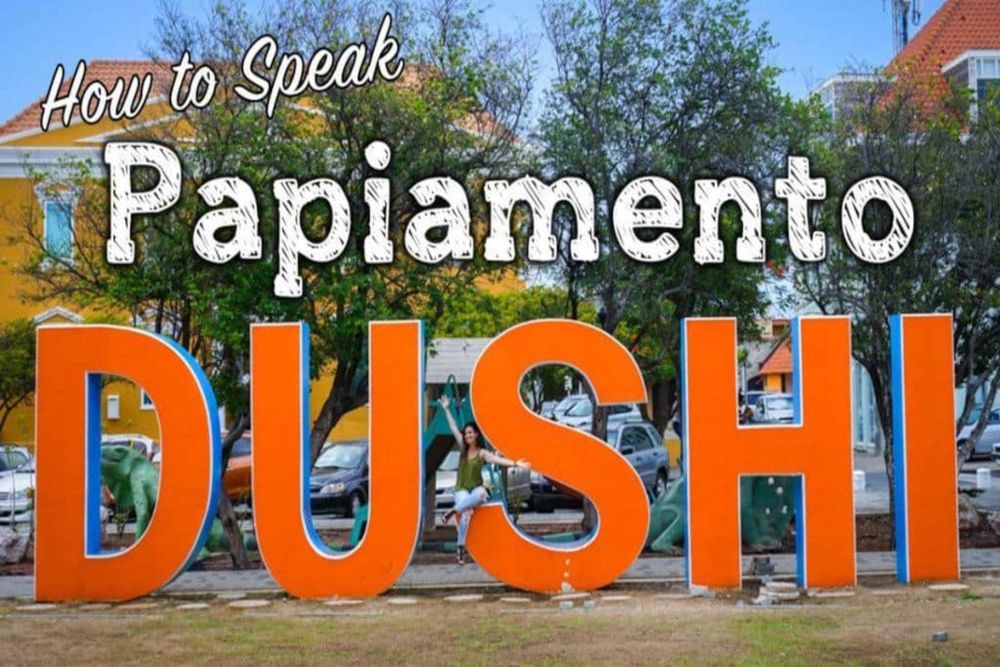
Papiamento — a richly layered language rooted in Portuguese, Spanish, Dutch and Yiddish, born from the trading cultures of Curaçao, Aruba and Bonaire — is spoken in many households. Sint Maarten's ties to those islands run deep through the former Netherlands Antilles, and a significant portion of the population traces its roots there.
Dushi — the Papiamento word for sweet, lovely, darling — is perhaps the most useful word a visitor to Sint Maarten can learn. You will hear it everywhere.
Spanish is widely spoken among the large Hispanic immigrant community, the majority of whom come from the Dominican Republic.
Haitian Creole, a French-based creole language, is spoken by immigrants from Haiti who make up another significant segment of the island's workforce.
East Indian merchant families converse among themselves in a variety of South Asian languages. Chinese business families — present on the island for generations — speak predominantly Mandarin and Cantonese.
English, But Not Always As You Know It
Even within English, the island offers remarkable variety. You will hear thick West Indian accents, the Southern drawl of American expatriates, clipped British English, and the English of dozens of nationalities for whom it is a second or third language — each carrying the traces of their own mother tongue. It is one of the more charming features of daily life on Sint Maarten. Listen carefully and the island tells you its own history.