Hygiene on Sint Maarten — Saint-Martin: Better Than You Think
Visitors arriving from North America or Europe often carry a default assumption about Caribbean hygiene: drink bottled water, be careful what you eat, expect some digestive consequences. On Sint Maarten and Saint-Martin, that assumption needs updating.
The water supply
Both sides of the island produce drinking water through industrial processes that deliver quality most visitors do not expect.
On the Dutch side, water and electricity come from the same company: GEBE. The utility runs diesel generators to produce electricity, and captures the heat from those generators to power desalination — an efficient system that produces fresh water as a byproduct of power generation. The result is clean, desalinated water that is safe to drink from the tap.
On the French side, electricity and water are handled by separate providers — EDF for power and Saur for water. Saur produces drinking water through reverse osmosis, a filtration process that forces seawater through membranes under pressure, removing salt and impurities. Again, the result is high-quality drinking water.
Fresh water wells exist on the island, but this water is used only in a small number of households receiving delivery by truck. The public water networks on both sides run entirely on desalinated supply.
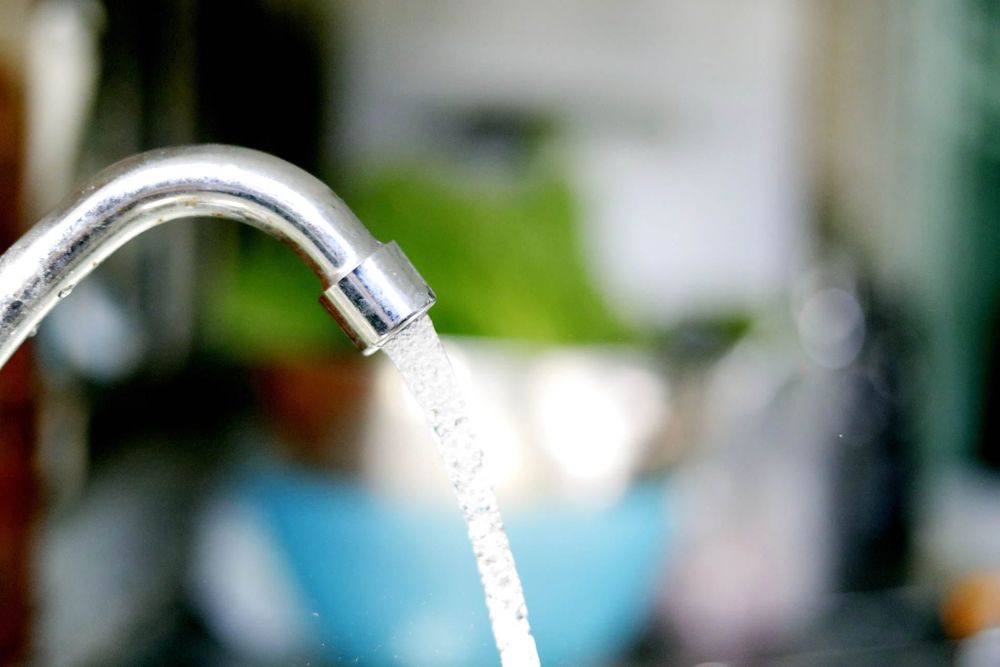
The practical implication: tap water on Sint Maarten is drinkable. Buying bottled water is a personal preference, not a health necessity.
Food safety
Both the Dutch and French sides maintain active health inspection programmes covering all food service operations — from hotel restaurants down to the corner snack bar. Establishments found to have food handling problems are closed. The inspections are not ceremonial.
French administrative standards tend to be somewhat stricter by law, but enforcement on both sides is taken seriously. The result is that the gastrointestinal syndromes familiar to travelers in many other tropical destinations — what is colloquially called Montezuma's Revenge — are not a known feature of eating on Sint Maarten.
Beach water quality
Sea water quality at the island's beaches is regularly tested and results are published. When a problem is detected, it is reported publicly. A recent example: heavy rainfall in the Grand Case area caused contaminated floodwater to flow through emergency drainage canals into the sea near the beach. The contamination was identified, published, and the beach was flagged accordingly. That kind of transparent, prompt reporting is what a functioning public health system looks like.
The lesson is not that beach water is always perfect — rainfall events and drainage infrastructure can create temporary problems anywhere. The lesson is that the monitoring system works and the public is informed when it does not.
The practical summary
Sint Maarten is not a hygiene risk destination. The water infrastructure is modern and industrial. Food safety inspection is active on both sides of the border. Beach water quality is monitored and published. Visitors who arrive with Caribbean hygiene anxiety can set most of it aside.