How to Drive on Sint Maarten
Sint Maarten drivers are courteous by habit. When someone needs to pull out of a tight spot, someone else will let them in. At busy intersections without signals, traffic flows through cooperation rather than regulation. The island's administration tried traffic lights — one still operates in Philipsburg — but the experiment largely failed. When the light at the Cole Bay intersection was removed, traffic actually improved. Friendly driving is more efficient than over-regulating it.
Rules of the Road
Sint Maarten follows continental European traffic law, not North American. A few key differences for US and Canadian visitors:
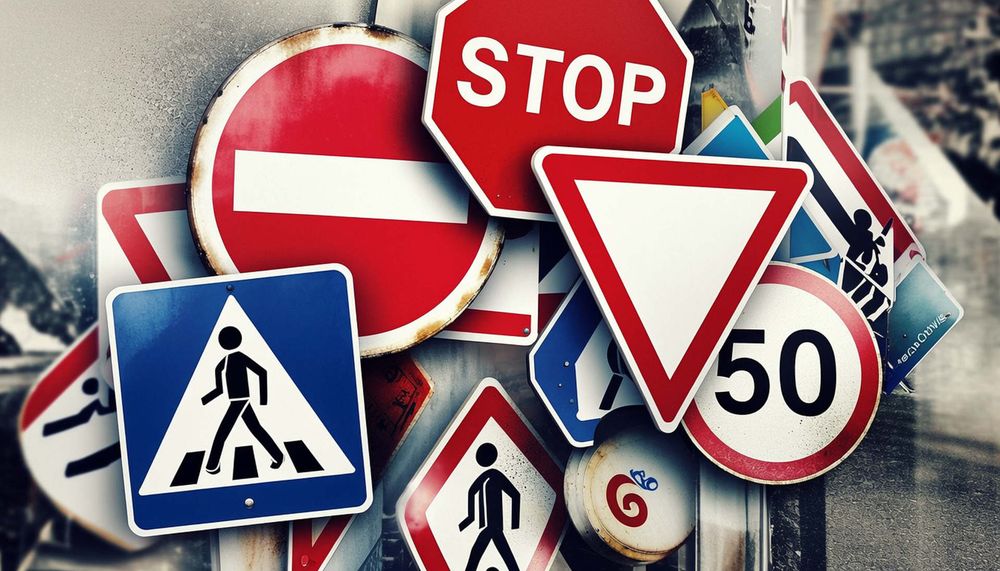
Drive on the right — same as home. But the right-of-way rule is different. Traffic coming from the right has priority at unmarked intersections. This is the default rule across the island, which is why most intersections have no signs at all. Signs only appear where the default rule does not apply. On the French side especially, drivers assume you know this and will not slow down to let you figure it out.
Watch Out for Tow Trucks
No-parking zones in Philipsburg and around the airport are actively enforced — not by police, but by towing companies who operate with considerable enthusiasm. Rental cars appear to be a preferred target. If your vehicle is towed, retrieving it costs between $50 and $60. Pay attention to signage in both town centers and near the terminal.
Crossing the Border
There is no border control between the Dutch and French sides — the island is open. You will cross without stopping, often without noticing. Drive the same way on both sides: right-hand traffic, yield to the right at unmarked intersections, and watch your speed in residential areas where speed bumps are common.
One local habit worth knowing: drivers will occasionally stop in the middle of the road to have a conversation with someone they know. It is not rudeness — it is island life. Take a breath, wait ten seconds, and continue. After all, you are on vacation.